


- HOME
- UV PAPER IMPRESSION
- UV PAPER PRODUCTS
- UV PAPER PROCESS
- UV PAPER BLOG
- UV PAPER CULTURE
- UV PAPER TALENTS
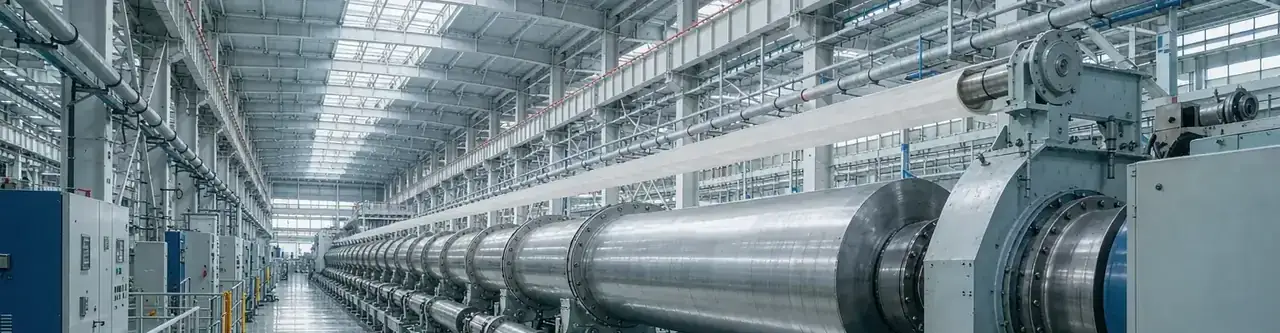
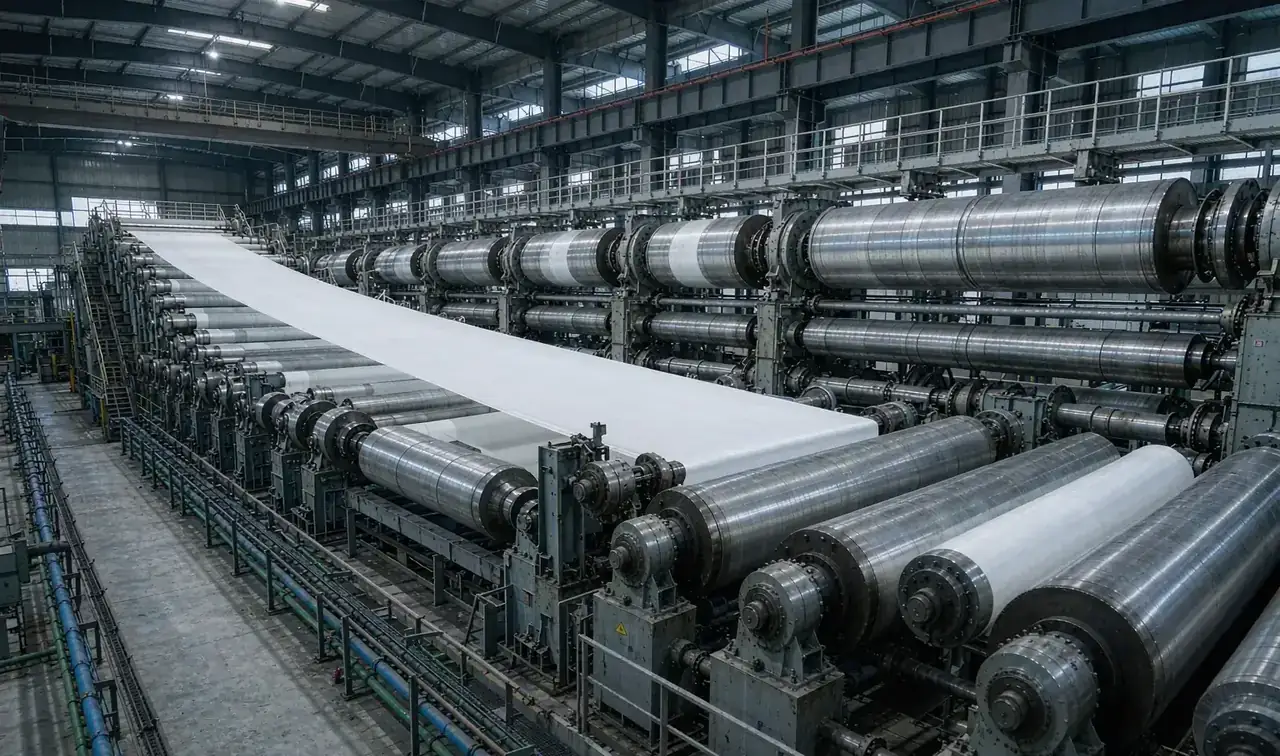
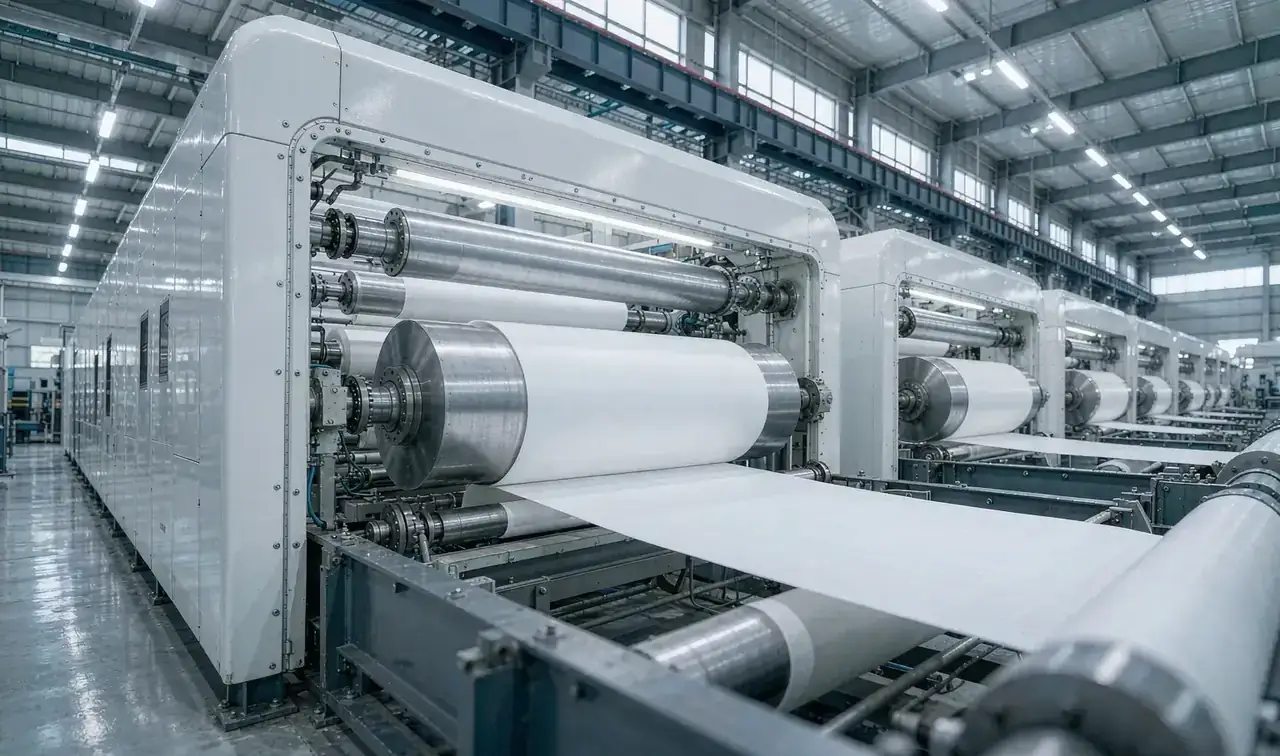
What it is: A 450,000–520,000 t/y AAA-grade paper line built around a wide, high-speed fourdrinier machine for continuous forming, pressing and drying of the paper web.
Why we do it: Large-format machines deliver higher single-line capacity and more uniform fibre distribution, while DCS control keeps basis weight and moisture stable across the deckle.
The result: Excellent formation with low cross-machine deviation, covering the full 80–350 g/m² range for premium printing, packaging and label applications.
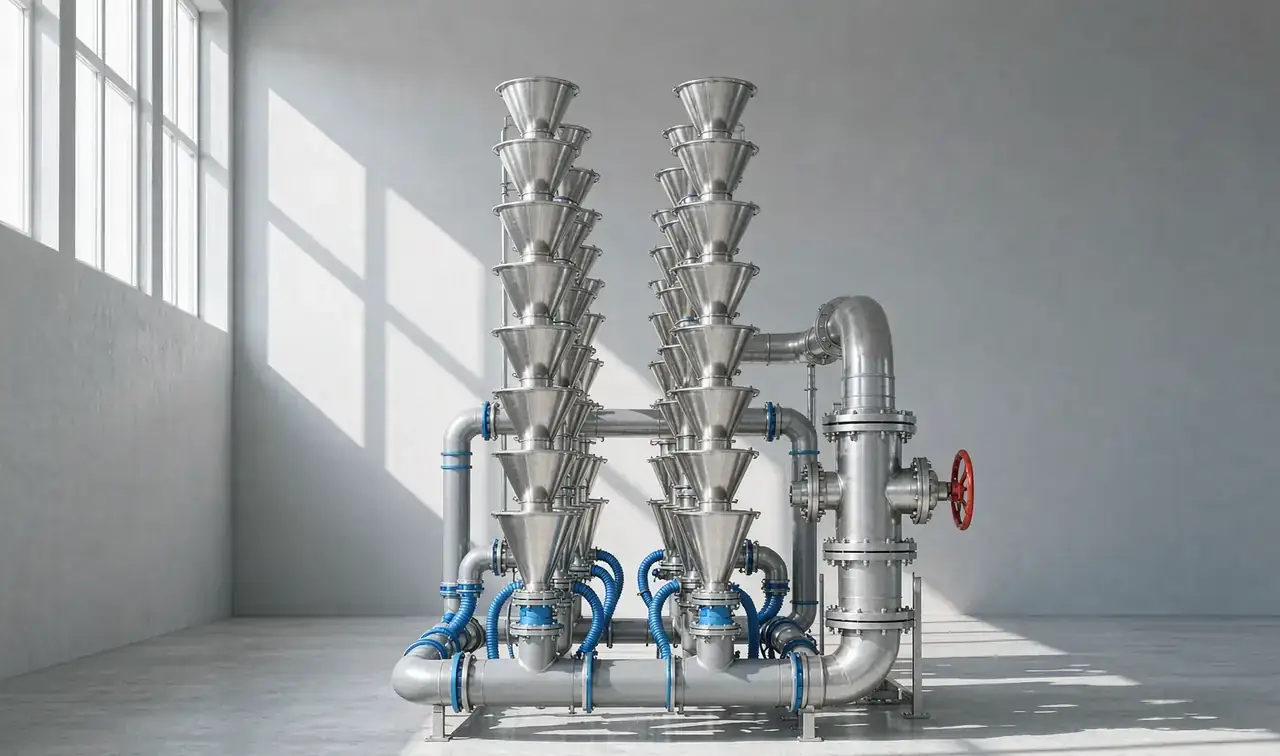
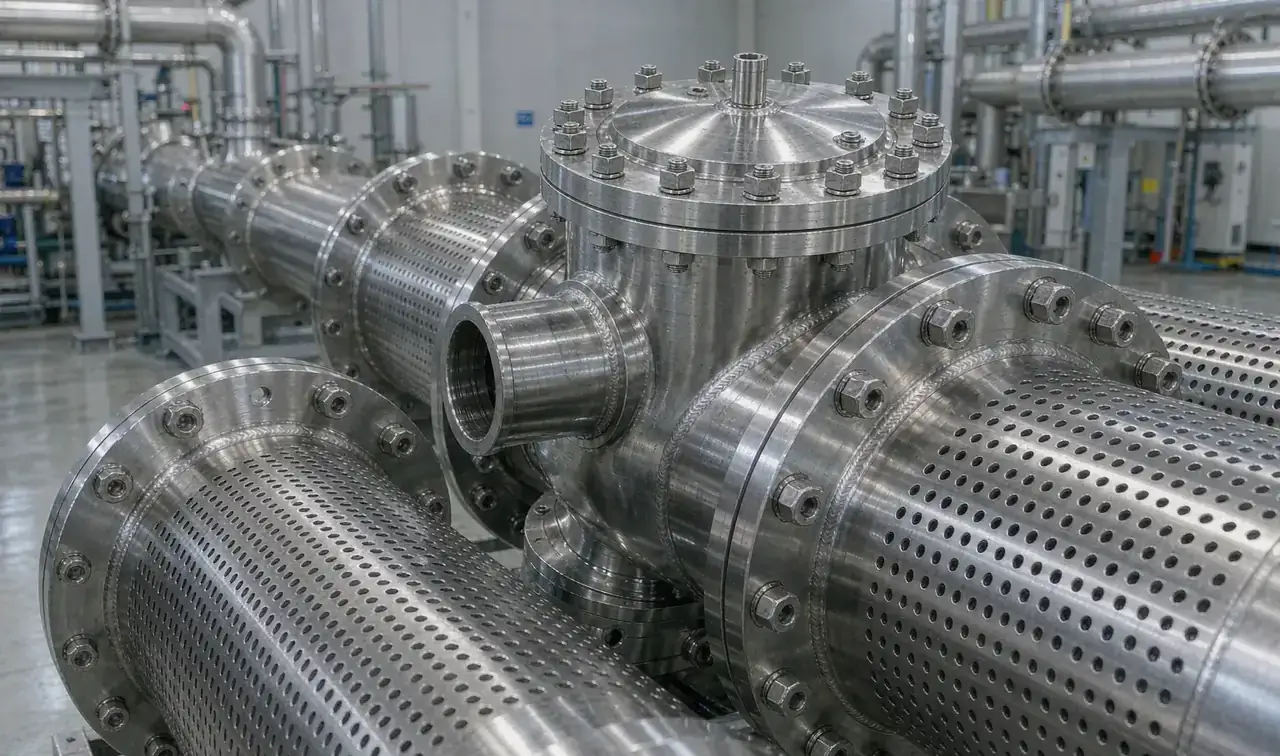
What it is: A pulp purification train of multi-stage pressure screens and conical hydrocyclones that removes sand, shives and contaminants before the paper machine.
Why we do it: Recovered paper feedstock is inherently mixed; without purification, impurities become spots and holes that ruin printability.
The result: Markedly cleaner stock, fewer defects and less dusting — the foundation for high-brightness art paper and cast coated paper.
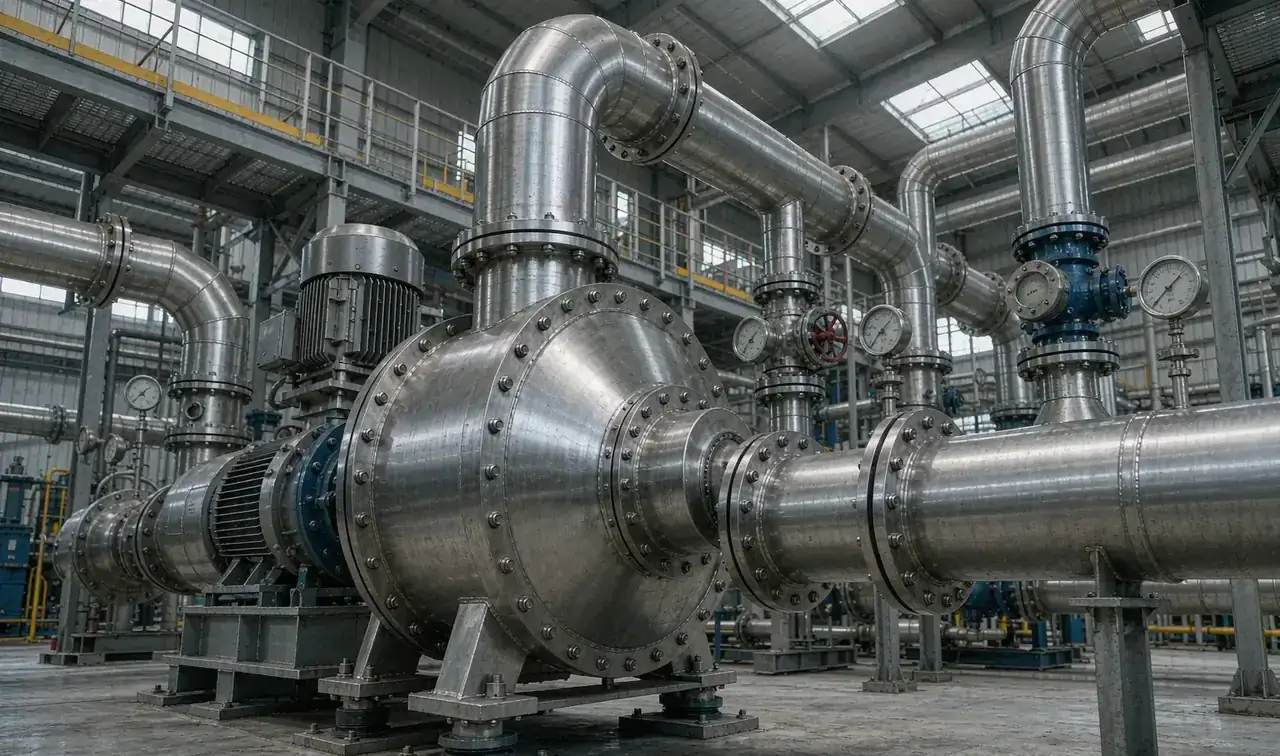
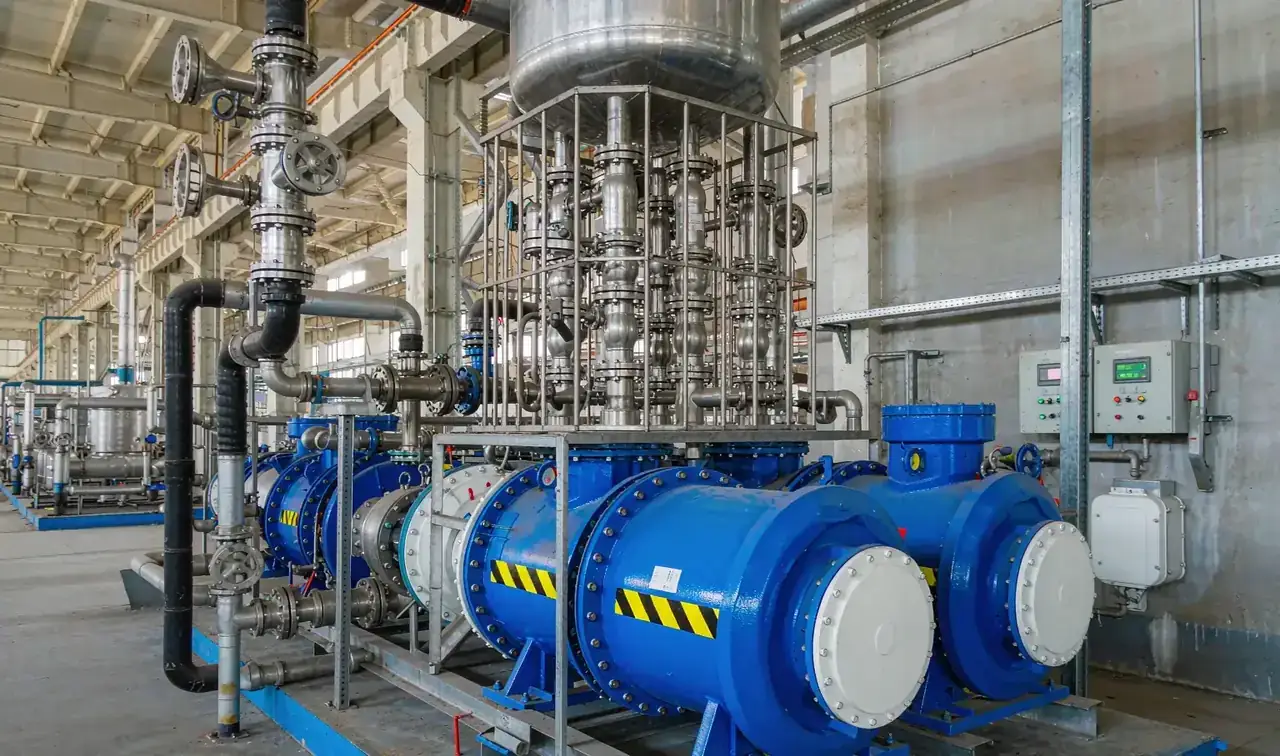
What it is: High-flow, low-pulse centrifugal stock pumps with enclosed piping that move fibre slurry between pulping, screening and the headbox.
Why we do it: Fibre-laden slurry demands specialised flow paths — conventional pumps clog and pulse, destabilising the jet onto the wire.
The result: Continuous, pulse-free transfer keeps the headbox jet uniform, cutting web breaks and basis-weight variation while raising machine efficiency.
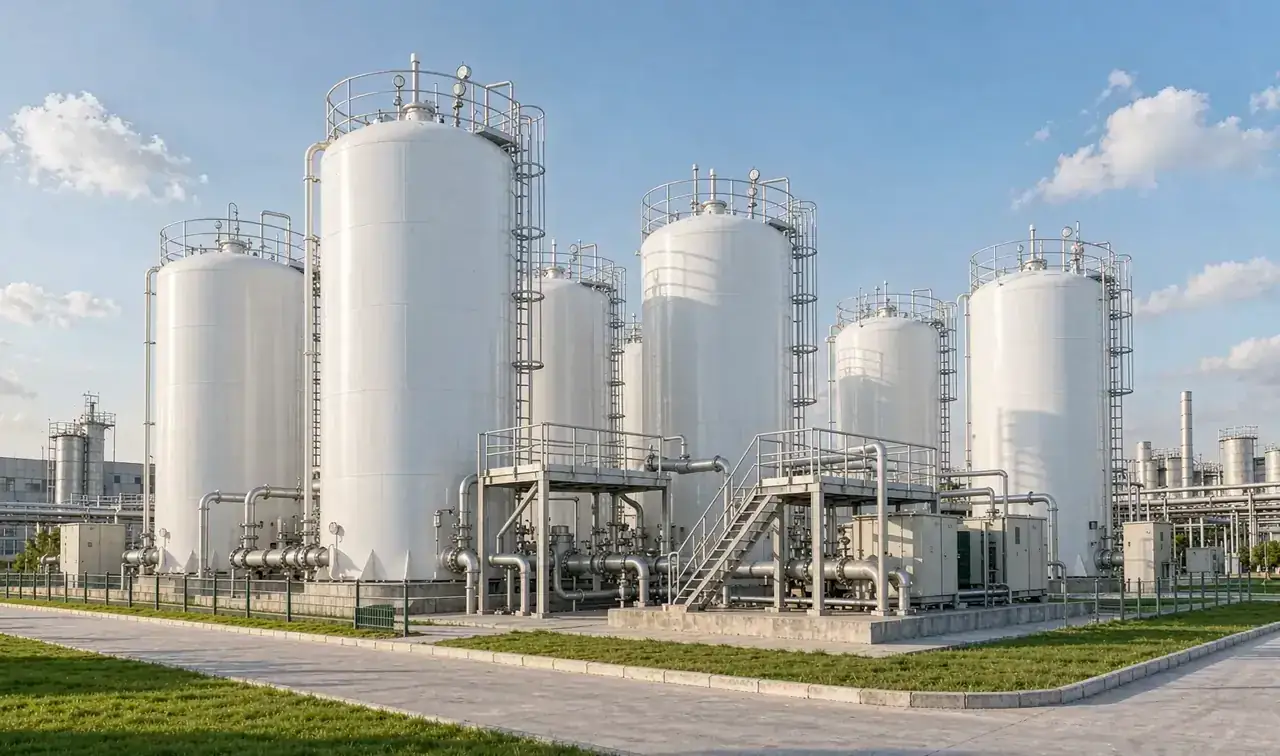
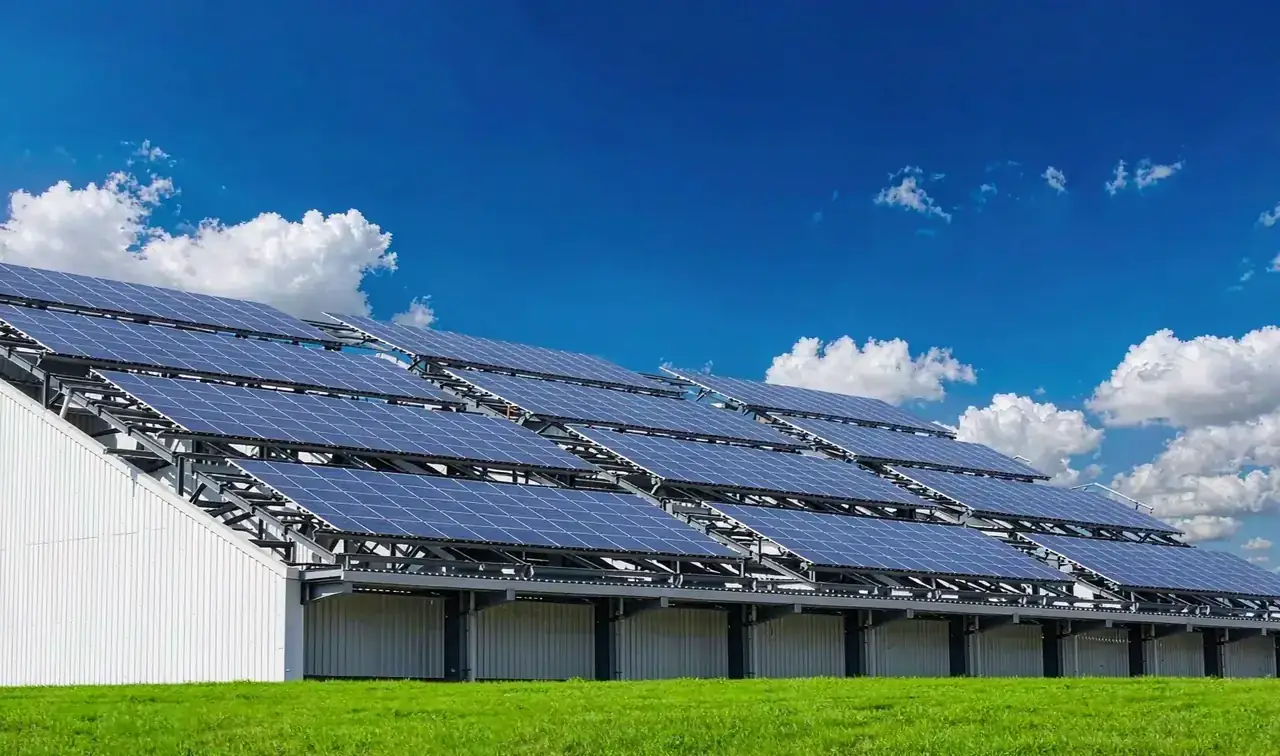
What it is: An LNG-based clean energy system with cascaded heat utilisation covering the main thermal load of the dryer section.
Why we do it: Papermaking is energy-intensive; clean fuels cut sulphur, dust and carbon emissions at the source in line with dual-carbon goals.
The result: Around 10% lower comprehensive energy consumption per tonne and 98% solid-waste utilisation — economic and environmental wins together.