


- HOME
- UV PAPER IMPRESSION
- UV PAPER PRODUCTS
- UV PAPER PROCESS
- UV PAPER BLOG
- UV PAPER CULTURE
- UV PAPER TALENTS


FSC certification proves wood comes from responsibly managed forests; recycled content proves fibre has been used before; PEFC is an alternative forest-management scheme; and chain of custody is the audit trail that connects the claim to the reel you receive. Most procurement arguments about 'sustainable paper' are really arguments about which of these four things the buyer actually needs.
This guide separates the claims so you can specify what you mean.
The Forest Stewardship Council (FSC) certifies that fibre originates from forests managed to defined environmental and social standards. The label you see on paper is not itself the forest certificate; it is a chain of custody claim.
If your customer requires 'FSC paper', the follow-up question is always which label, because the price and fibre story differ substantially between them.
The Programme for the Endorsement of Forest Certification (PEFC) is the other major global scheme, and in some regions, including much of Europe, it certifies more forest area than FSC. Functionally it works the same way: forest management certification plus chain of custody claims at the product level.
Many buyers accept either scheme; some customers specify one. If your specification says 'FSC or PEFC', mills can usually accommodate it, but it must be agreed before the order runs because certified and uncertified fibre are segregated through separate supply chains.
'Recycled' on paper refers to the proportion of recovered fibre in the furnish. Two distinctions matter:
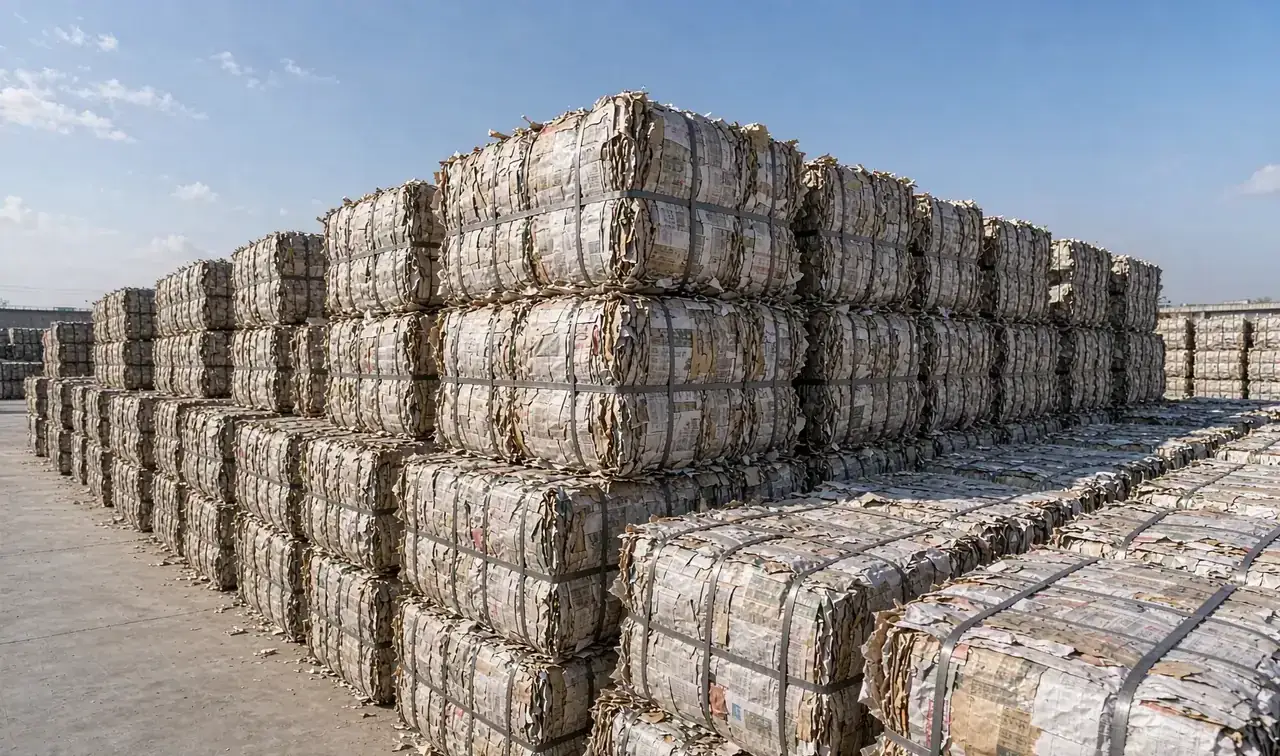
Pre-consumer waste is mill trim and converting scrap, which never reached a consumer. Post-consumer waste is material recovered after use. When buyers ask for 'recycled paper', they usually mean post-consumer content, which is the harder and more meaningful claim. Specifications should state which one they mean.
For food-contact packaging and labels, recycled fibre is restricted or prohibited in many jurisdictions because recovered fibre can carry contaminants that migrate. Direct food-contact applications typically require virgin fibre with documented compliance; recycled content is used for outer packaging and non-contact layers.
A claim on an invoice is only as good as the audit behind it. Chain of custody (CoC) certification tracks certified material from forest or recycling stream through pulping, papermaking, converting and printing, with controlled volumes and documentation at each transfer.
For a converter or brand owner, CoC matters because the claim you put on your own packaging must be defensible. Buying certified paper from a CoC-certified mill is how you inherit that defensibility.
Our mill recovers and reprocesses 128,000 tonnes of recovered fibre per year as part of a 1.56 million tonne annual capacity, and runs quality control covering brightness, gloss, smoothness, basis weight and moisture on every reel. Certification options, including chain-of-custody documentation, are agreed per order so the claim on your packaging matches the fibre in the reel. For questions about certification options for a specific project, our team can advise what is feasible before you commit artwork.