



- HOME
- UV PAPER IMPRESSION
- UV PAPER PRODUCTS
- UV PAPER PROCESS
- UV PAPER BLOG
- UV PAPER CULTURE
- UV PAPER TALENTS


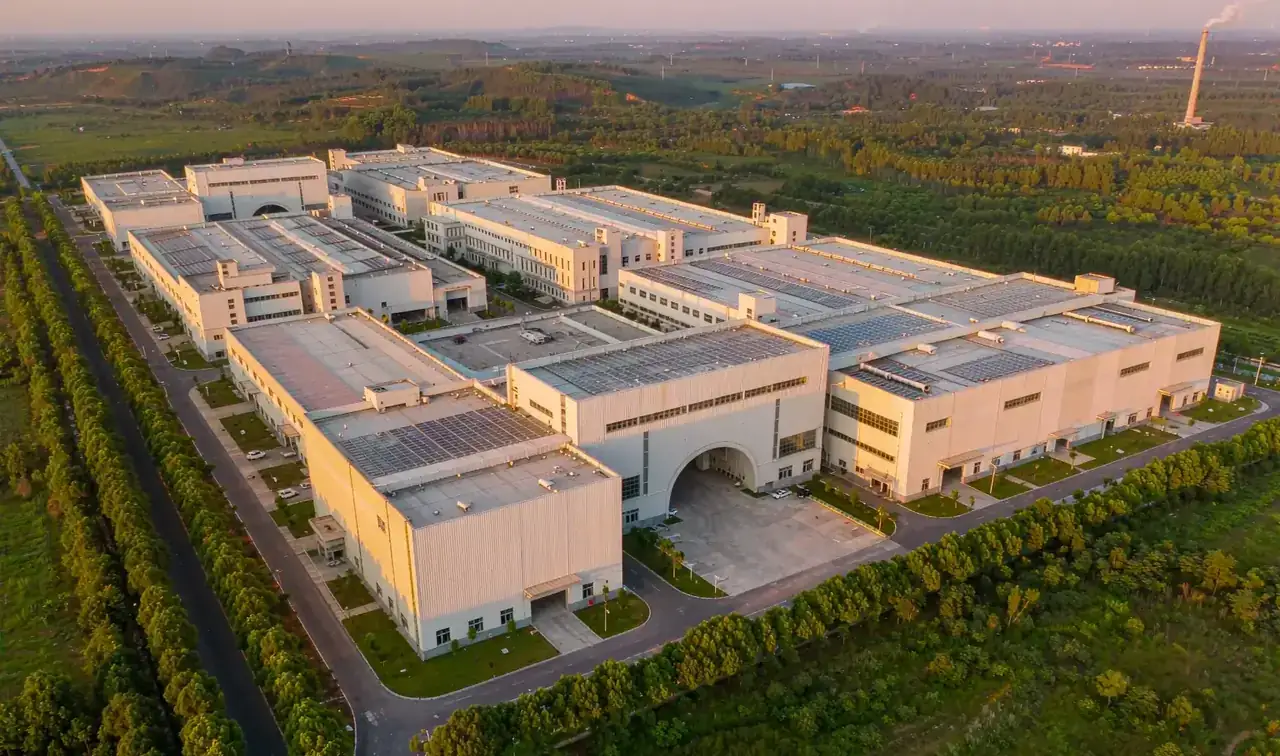
A modern paper mill producing 1.56 million tonnes per year is not simply a bigger version of a small mill: it is a different class of operation, where automation, fibre logistics and quality control are engineered as a single system. This article looks inside a mill of that scale, at the numbers, the systems and what they mean for the customer.
China UV Paper operates in Xinxiang, Henan, with total annual capacity of 1.56 million tonnes across coated woodfree, cast coated and specialty grades. The headline figures behind that tonnage:
At this scale, manual adjustment cannot keep pace. Distributed control systems run the machine, with online sensors measuring basis weight, moisture, caliper and coat weight across the full width and feeding corrections back within seconds. Quality control loops run continuously, not at shift-end sampling.
Consuming 128,000 tonnes of recovered paper per year means inbound logistics measured in railcar and truckload lots, bale storage yards, graded segregation and pulping systems sized for continuous feed. Virgin furnish arrives as baled pulp or is integrated upstream. The logistics discipline that keeps a mill of this scale fed is, in itself, a quality system: contaminated or mis-graded furnish is caught before it reaches the pulper.
Producing multiple grades on one machine platform requires furnish segregation, coating recipe management and order-level traceability. Certified and uncertified fibre, recycled and virgin streams, and different coating formulations each need dedicated systems, or orders cannot be documented honestly.
Customers see quality at the press; mills create it at three levels:
Scanners traverse the web continuously, measuring basis weight, moisture, caliper, coat weight and in some cases optical properties, with cross-web profiles feeding back to headbox and coater actuators. A drift that would become a visible streak in print is corrected before it leaves the machine.
Sampled reels go to the lab for confirmation testing: brightness, gloss, smoothness, opacity, stiffness, tensile strength, porosity and dimensional stability. Lab results are compared against the grade specification and the online data; discrepancies trigger investigation of the run.
Every reel carries a certificate linking it to the machine run, order number and test results. For converters running certified programmes, this documentation is what makes their own downstream claims defensible.
Variability kills print jobs. A mill running long campaigns on a single machine platform produces tighter statistical control than one switching frequently between grades and machines. That consistency shows up as fewer press stops and fewer wasted make-ready sheets.
Capacity translates into order flexibility. Wide reels reduce trim loss for converters; volume availability supports both large annual contracts and trial quantities for new specifications.
A mill of this scale maintains process engineers and lab staff who can troubleshoot at the customer's press, not just at the mill's own machines. When a converter reports a runnability issue, the mill can trace it back through the reel certificate to the machine data.
For buyers used to seeing paper as a commodity, the paper machine hall reframes the product. The wire runs the width of a factory bay, the dryer section stretches further than a football pitch, and the coating and casting sections, where cast coated paper gets its mirror finish, are precision areas kept immaculately clean because any contamination becomes a print defect.
If you are evaluating a paper supplier for a long-term programme, ask for the mill tour, the grade data sheets and a sample reel certified against your specification. China UV Paper welcomes technical visits and trial orders, and our team will work with your converters to match grades to press, ink and end use.