


- HOME
- UV PAPER IMPRESSION
- UV PAPER PRODUCTS
- UV PAPER PROCESS
- UV PAPER BLOG
- UV PAPER CULTURE
- UV PAPER TALENTS


The coated paper market in 2026 is shaped by three forces: regional capacity shifts that changed where tonnes are produced, fibre and energy costs that set the price floor, and sustainability regulation that is redefining which structures buyers can even use. For buyers, the practical question is not what the market will do, but how to source reliably while it does it.
The past decade saw substantial new coated and packaging paper capacity added in Asia, particularly China, while older capacity in Europe and North America was restructured or closed. The result is a market where Asian mills supply a growing share of global demand, and where buyers in every region increasingly source from Asia for both cost and availability.
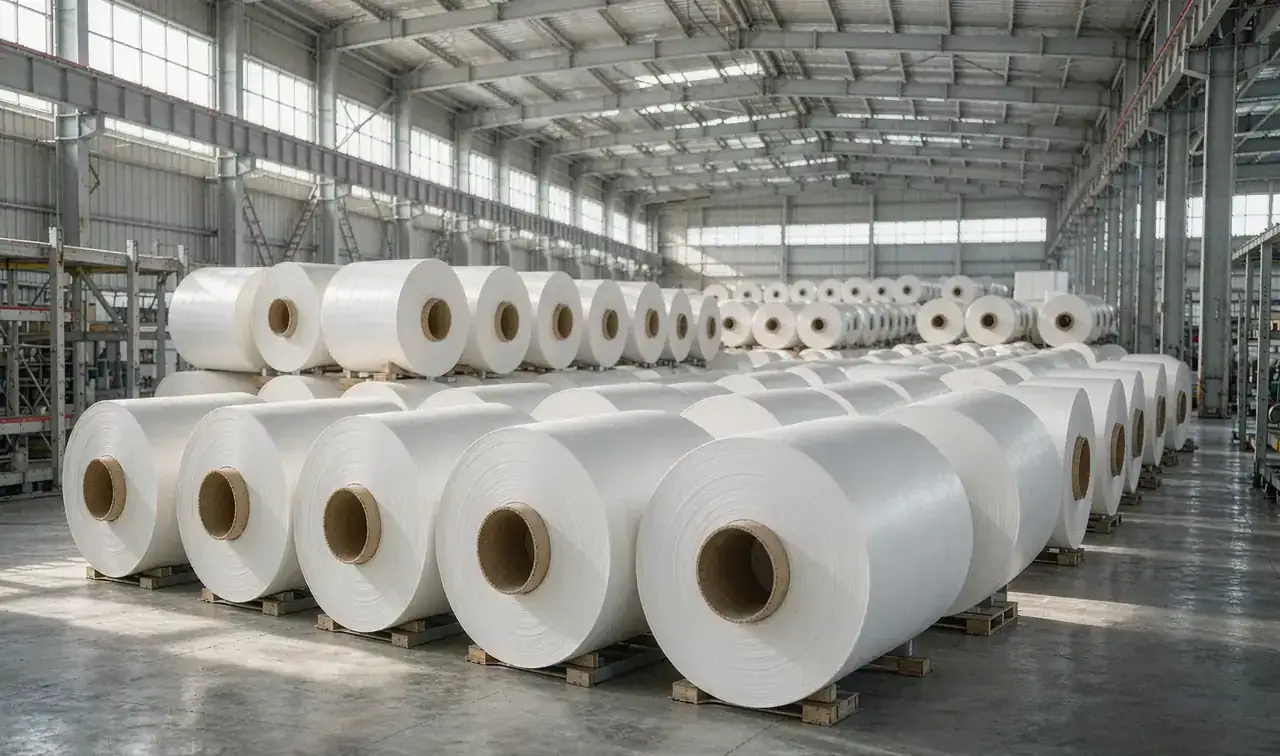
For buyers, this means lead times are longer and freight planning matters more, but it also means wider access to grades that were previously regional specialties. Mills with modern wide-format machines, such as the 6,600 mm wire at China UV Paper, produce wide reels that converters trim locally, reducing waste.
Paper is fundamentally a fibre and energy business. Recovered paper prices respond to collection rates and competing uses; virgin pulp prices track timber supply, chemical costs and currency. Energy, both steam for drying and electricity, is one of the largest variable costs in papermaking, so energy price movements pass through to paper prices with a lag.
Buyers who treat paper as a spot commodity feel every swing. Buyers who structure supply around index-linked contracts, quarterly volume commitments or annual agreements with agreed price mechanisms smooth it out. Neither approach is universally better, but the choice should be deliberate.
Packaging regulation is now a market force, not a compliance footnote:
For coated paper this is largely favourable: fibre-based structures gain share as plastic loses it, and demand for coated board, cast coated labels and mono-material paper formats is growing. But it raises the documentation bar, because claims must be traceable through chain of custody.
E-commerce growth drives demand for corrugated boxes, labels and, increasingly, paper-based protective formats. It also changes what packaging must do: survive parcel networks with more handling, carry variable data for tracking, and present a brand experience on arrival. That favours grades that combine print quality with durability, and mills that can supply both containerboard and coated formats from one relationship.
Short-run print continues to migrate to digital presses, which changes paper demand: smaller quantities, more variety, and a requirement for digital-optimised stocks. Mills that offer both conventional and digital-optimised grades let buyers consolidate suppliers. The trend also rewards suppliers who can support trial quantities, because digital buyers validate before scaling.
Directionally, expect continued growth in fibre-based packaging formats, continued pressure on multi-material plastic structures, and tighter documentation requirements on sustainability claims. Mills that combine capacity, certification capability and technical support will take share; buyers who align specification, documentation and supply structure early will avoid the scramble when regulation tightens further.
China UV Paper produces coated woodfree, cast coated and specialty grades on a 6,600 mm wire with 1.56 million tonnes of annual capacity, 128,000 tonnes of recovered fibre reprocessed per year, and reel-level certification on brightness, gloss, smoothness, basis weight and moisture. For buyers planning 2026 supply, our team can provide grade data sheets, trial reels and supply structure options.